The landscape of philanthropic giving has undergone a remarkable transformation over the past decade. No longer satisfied with simply distributing funds based on intuition or traditional relationships, today's foundation leaders demand rigorous evidence of impact, measurable outcomes, and data-driven insights that demonstrate the true effectiveness of their grantmaking strategies. This shift represents not just a change in methodology, but a fundamental reimagining of how private foundations approach their mission to create positive social change.
The Albert Kim Foundation and similar forward-thinking organizations have embraced this evolution, recognizing that strategic philanthropy requires the same analytical rigor and performance measurement that drives success in the business world. By implementing comprehensive evaluation frameworks and leveraging cutting-edge technology platforms, these foundations are setting new standards for accountability, transparency, and measurable impact in the non-profit sector.

The Evolution of Impact Measurement in Philanthropy
Traditional grantmaking often relied on anecdotal evidence, personal relationships, and subjective assessments of organizational capacity. While these factors remain important, they no longer suffice in an environment where stakeholders—from donors to beneficiaries—demand concrete evidence of results. The evolution toward data-driven decision-making reflects broader societal trends toward accountability and evidence-based practice across all sectors.
Modern foundations now recognize that effective impact measurement serves multiple critical purposes. First, it enables foundation leaders to make informed decisions about where to allocate limited resources for maximum effect. Second, it provides transparency to stakeholders, demonstrating responsible stewardship of philanthropic capital. Third, it generates valuable insights that can be shared across the sector, advancing collective knowledge about what works in addressing complex social challenges.
Key Drivers of Change
Several factors have accelerated the adoption of sophisticated measurement approaches in philanthropy. The proliferation of affordable technology platforms has made data collection and analysis accessible to organizations of all sizes. Increased competition for philanthropic dollars has raised the bar for demonstrating impact. Additionally, a new generation of foundation leaders, many with backgrounds in business or technology, brings expectations for rigorous performance measurement to the non-profit sector.
Building a Comprehensive Impact Measurement Framework
Developing an effective impact measurement framework requires careful consideration of multiple dimensions. The most successful frameworks balance quantitative metrics with qualitative insights, short-term outputs with long-term outcomes, and standardized measures with context-specific indicators. This multifaceted approach ensures that foundations capture the full complexity of social change while maintaining the rigor necessary for meaningful evaluation.
Defining Clear Theory of Change
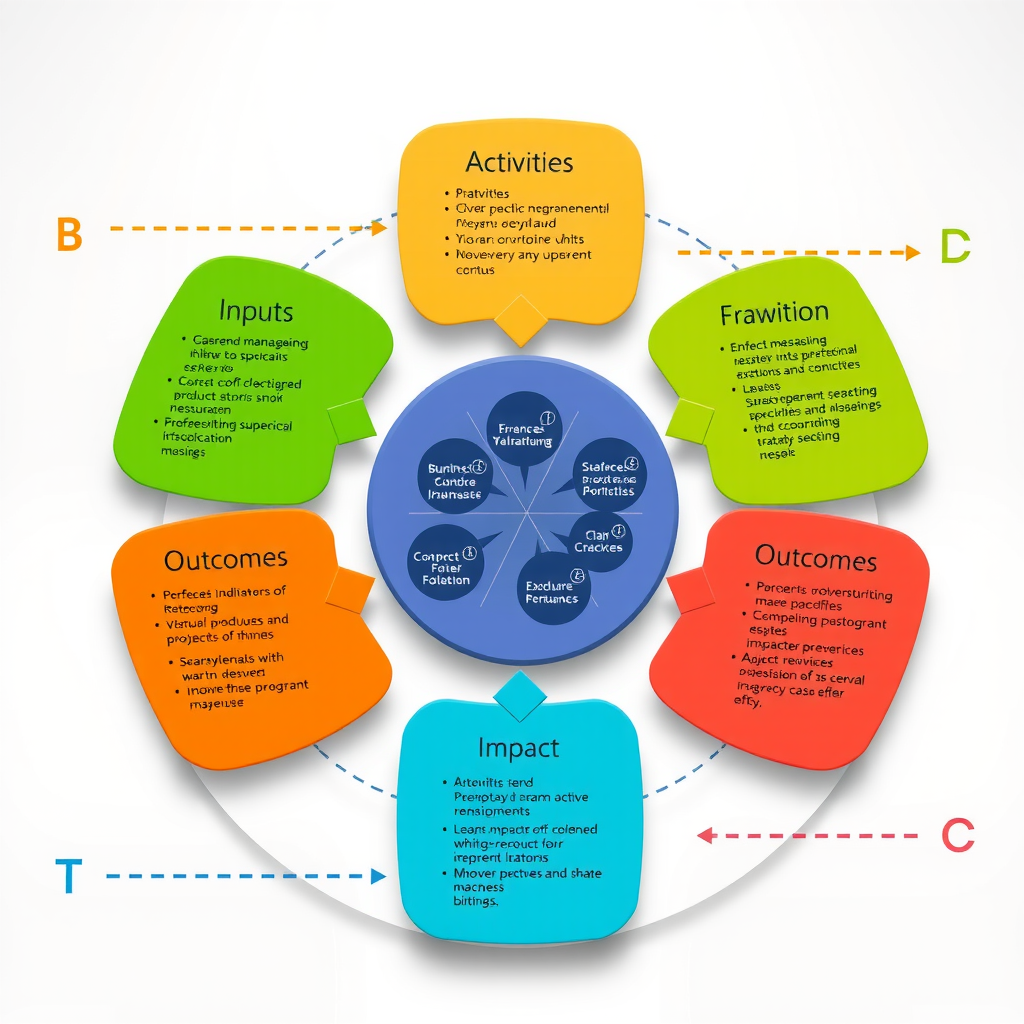
Every robust measurement framework begins with a well-articulated theory of change—a comprehensive description of how and why a desired change is expected to happen in a particular context. This theory serves as the foundation for identifying appropriate indicators, establishing baselines, and determining what data to collect. A strong theory of change makes explicit the assumptions underlying a foundation's grantmaking strategy and provides a roadmap for evaluation.
Developing a theory of change requires deep engagement with the communities and issues a foundation seeks to address. It involves mapping the causal pathways between foundation activities and intended outcomes, identifying key stakeholders and their roles, and recognizing external factors that may influence results. This process often reveals gaps in understanding or unrealistic expectations, allowing foundations to refine their strategies before committing significant resources.
Essential Components of a Theory of Change
- Clear articulation of the problem or need being addressed
- Identification of target populations and geographic scope
- Specification of intended long-term outcomes and impact
- Description of intermediate outcomes and causal pathways
- Recognition of assumptions and external factors
- Alignment with foundation mission and strategic priorities
Selecting Meaningful Key Performance Indicators
Key performance indicators (KPIs) translate a foundation's theory of change into measurable metrics that can be tracked over time. Effective KPIs are specific, measurable, achievable, relevant, and time-bound—the familiar SMART criteria. However, in the context of philanthropic work, selecting appropriate KPIs requires additional considerations, including the feasibility of data collection, the attribution of outcomes to foundation activities, and the balance between standardization and customization.
Foundations must resist the temptation to measure only what is easily quantifiable. While metrics such as number of grants awarded or dollars distributed provide useful information, they reveal little about actual impact. More meaningful indicators focus on changes in the lives of beneficiaries, shifts in systems or policies, or progress toward long-term social goals. These outcome-oriented metrics, though more challenging to measure, provide far greater insight into a foundation's effectiveness.

Leveraging Technology Platforms for Data Collection and Analysis
The technological revolution has fundamentally transformed how foundations collect, manage, and analyze data. Modern grants management systems integrate seamlessly with impact measurement tools, creating comprehensive platforms that track the entire lifecycle of philanthropic investments. These systems automate data collection, generate real-time reports, and provide sophisticated analytics capabilities that were unimaginable just a decade ago.
Cloud-based platforms have democratized access to powerful analytical tools, enabling even small foundations to implement sophisticated measurement systems. These platforms typically include features for grant application management, due diligence tracking, payment processing, progress reporting, and impact assessment. By centralizing data and automating routine tasks, technology platforms free foundation staff to focus on strategic analysis and relationship building with grantees.
Essential Features of Modern Grants Management Systems
Data Integration and Management
Effective platforms seamlessly integrate data from multiple sources, including grant applications, progress reports, financial statements, and external databases. This integration creates a comprehensive view of each grantee organization and enables sophisticated analysis of patterns and trends across the foundation's portfolio. Advanced systems employ artificial intelligence and machine learning to identify insights that might escape human analysis.
Customizable Reporting and Dashboards
Modern platforms offer flexible reporting capabilities that allow foundation staff to generate customized reports for different audiences and purposes. Interactive dashboards provide real-time visibility into key metrics, enabling rapid identification of issues or opportunities. The best systems balance standardization with customization, offering pre-built templates while allowing for organization-specific modifications.
Collaboration and Communication Tools
Technology platforms increasingly incorporate features that facilitate communication and collaboration between foundations and grantees. Secure portals allow grantees to submit applications, upload documents, and provide progress updates. Integrated messaging systems enable real-time communication, while shared workspaces support collaborative planning and problem-solving. These features strengthen relationships and improve the quality of information flowing between foundations and their partners.
"The most powerful aspect of modern technology platforms is not their ability to collect data, but their capacity to transform that data into actionable insights that drive better decision-making and ultimately, greater impact."
Balancing Quantitative Metrics with Qualitative Community Feedback
While quantitative data provides essential information about scale, reach, and measurable outcomes, it cannot capture the full richness of social change. Qualitative feedback from community members, beneficiaries, and other stakeholders offers crucial context, reveals unintended consequences, and provides insights into the lived experience of those affected by foundation-supported programs. The most effective evaluation approaches integrate both types of data, creating a more complete and nuanced understanding of impact.

Methods for Gathering Qualitative Data
Foundations employ various methods to collect qualitative feedback, each with distinct advantages and limitations. Focus groups bring together small groups of stakeholders to discuss their experiences and perspectives in depth. Individual interviews allow for more personal and detailed conversations, particularly valuable when exploring sensitive topics. Community forums provide opportunities for broader participation and can surface issues that might not emerge in smaller settings. Participatory evaluation approaches engage community members as co-evaluators, ensuring that assessment reflects local priorities and values.
The key to effective qualitative data collection lies in creating safe spaces where participants feel comfortable sharing honest feedback, including criticism. This requires building trust over time, ensuring confidentiality when appropriate, and demonstrating that feedback leads to meaningful action. Foundations must also recognize power dynamics inherent in the funder-grantee relationship and take steps to mitigate their influence on the feedback process.
Integrating Quantitative and Qualitative Insights
The real power of comprehensive evaluation emerges when foundations successfully integrate quantitative and qualitative data. Numbers might reveal that a program reached its target number of beneficiaries, while qualitative feedback explains why some community members chose not to participate. Metrics might show improved outcomes, while interviews reveal the personal transformations behind those statistics. This integration requires analytical frameworks that can accommodate different types of data and synthesis processes that honor the unique contributions of each approach.
Best Practices for Mixed-Methods Evaluation
- Design evaluation frameworks that explicitly incorporate both quantitative and qualitative components
- Ensure adequate resources and expertise for both types of data collection and analysis
- Create processes for triangulating findings across different data sources
- Present integrated findings that weave together numbers and narratives
- Use qualitative insights to inform the interpretation of quantitative results
- Allow quantitative patterns to guide deeper qualitative exploration
Practical Templates and Assessment Tools for Foundation Leaders
Translating impact measurement principles into practice requires concrete tools and templates that guide implementation. Forward-thinking foundations have developed and refined various instruments that can be adapted to different contexts and organizational capacities. These practical resources help foundation leaders move from abstract concepts to operational systems that generate meaningful data and insights.

Logic Model Templates
Logic models provide a visual representation of the relationship between a foundation's resources, activities, and intended results. These templates typically organize information into categories: inputs (resources invested), activities (what the foundation does), outputs (direct products of activities), outcomes (changes in behavior or conditions), and impact (long-term effects). Well-designed logic model templates include prompts that guide users through the development process and ensure consideration of key elements such as assumptions, external factors, and evaluation indicators.
Grant Assessment Rubrics
Standardized rubrics bring consistency and transparency to grant evaluation processes. These tools typically include multiple dimensions of assessment—such as organizational capacity, program design, potential for impact, and alignment with foundation priorities—each with clear criteria and scoring guidelines. Effective rubrics balance objectivity with flexibility, providing structure while allowing for professional judgment. They also facilitate comparison across proposals and enable tracking of how assessment criteria evolve over time.
Progress Monitoring Frameworks
Regular monitoring of grantee progress requires structured frameworks that specify what information should be collected, when, and how. Comprehensive monitoring frameworks include templates for progress reports, site visit protocols, financial review procedures, and risk assessment tools. These frameworks should be designed with input from grantees to ensure they capture meaningful information without creating excessive burden. The best frameworks also include mechanisms for adaptive management, allowing for course corrections when circumstances change or initial assumptions prove incorrect.
Sample Progress Report Template Components
- Executive summary of progress toward stated objectives
- Quantitative data on key performance indicators
- Narrative description of activities and accomplishments
- Challenges encountered and strategies for addressing them
- Stories or case studies illustrating impact
- Financial report comparing budget to actual expenditures
- Plans for the upcoming reporting period
- Requests for technical assistance or other support
Implementing Evaluation Methodologies: From Theory to Practice
Moving from evaluation frameworks to actual implementation requires careful planning, adequate resources, and sustained commitment from foundation leadership. Successful implementation involves multiple phases: designing the evaluation approach, building necessary infrastructure and capacity, collecting and analyzing data, and using findings to inform decision-making. Each phase presents distinct challenges and opportunities for learning.
Building Internal Capacity for Evaluation
Effective impact measurement requires specific skills and expertise that may not exist within a foundation's current staff. Foundation leaders must decide whether to build internal capacity through hiring and training, partner with external evaluators, or pursue some combination of both approaches. Internal capacity offers advantages of institutional knowledge and ongoing availability, while external evaluators bring specialized expertise and objectivity. Many foundations find that a hybrid model—with core evaluation capacity in-house supplemented by external expertise for specialized needs—works best.
Building evaluation capacity extends beyond technical skills to include organizational culture. Foundations must cultivate a learning orientation that views evaluation not as judgment but as opportunity for improvement. This requires creating psychological safety where staff feel comfortable acknowledging challenges and failures, establishing processes for translating evaluation findings into action, and celebrating learning alongside achievement. Leadership plays a crucial role in modeling this orientation and ensuring that evaluation insights genuinely inform strategy and decision-making.
Conclusion: The Future of Data-Driven Philanthropy
As foundations continue to refine their approaches to impact measurement and data-driven decision-making, several trends are likely to shape the future of philanthropic evaluation. Artificial intelligence and machine learning will enable more sophisticated analysis of complex data sets, revealing patterns and insights that would be impossible to detect through traditional methods. Increased emphasis on equity and inclusion will drive development of evaluation approaches that center the voices and perspectives of marginalized communities. Greater collaboration across foundations will facilitate shared learning and the development of common metrics that enable sector-wide assessment of progress on major social challenges.
The journey toward truly data-driven grantmaking is ongoing, and even the most sophisticated foundations continue to learn and adapt their approaches. What remains constant is the fundamental commitment to accountability, transparency, and continuous improvement that motivates investment in rigorous evaluation. By embracing both the science and art of impact measurement—combining quantitative rigor with qualitative insight, standardized metrics with contextual understanding, and technological capability with human judgment—foundations can maximize their effectiveness and create lasting positive change in the communities they serve.

The Albert Kim Foundation and other leading organizations demonstrate that effective impact measurement is not merely a technical exercise but a fundamental expression of values—a commitment to learning, accountability, and maximizing positive impact. As the philanthropic sector continues to evolve, those foundations that successfully integrate sophisticated data analytics with genuine community engagement will be best positioned to address the complex challenges facing our world and create meaningful, lasting change.